跳到主要內容

Breaking Free from the Dual-System Dilemma: Andeli Partners with Soetek and SAP Business One to Build a New Management Framework

深耕歐美傢飾品牌代理近四十年的安得利集團,憑藉卓越的審美品味與專業選品能力,建立起住宅空間、商業飯店專案、布料批發等多元事業體系,並與多個國際品牌建立長期合作。為因應日益複雜的營運挑戰,集團積極投入數位轉型,導入碩益科技 SAP Business One 系統後,不僅整合流程、提升效率,庫存準確率更突破 95%,展現品牌邁向智慧管理的決心與行動力。

Cookie 使用說明

為改善本網站的瀏覽體驗,我們會使用第一方及第三方的Cookie。了解詳情

Successful Archives

產業實績

.img
Breaking Free from the Dual-System Dilemma: Andeli Partners with Soetek and SAP Business One to Build a New Management Framework
深耕歐美傢飾品牌代理近四十年的安得利集團,憑藉卓越的審美品味與專業選品能力,建立起住宅空間、商業飯店專案、布料批發等多元事業體系,並與多個國際品牌建立長期合作。為因應日益複雜的營運挑戰,集團積極投入數位轉型,導入碩益科技 SAP Business One 系統後,不僅整合流程、提升效率,庫存準確率更突破 95%,展現品牌邁向智慧管理的決心與行動力。
A Critical Decision in Choosing the Right Partner
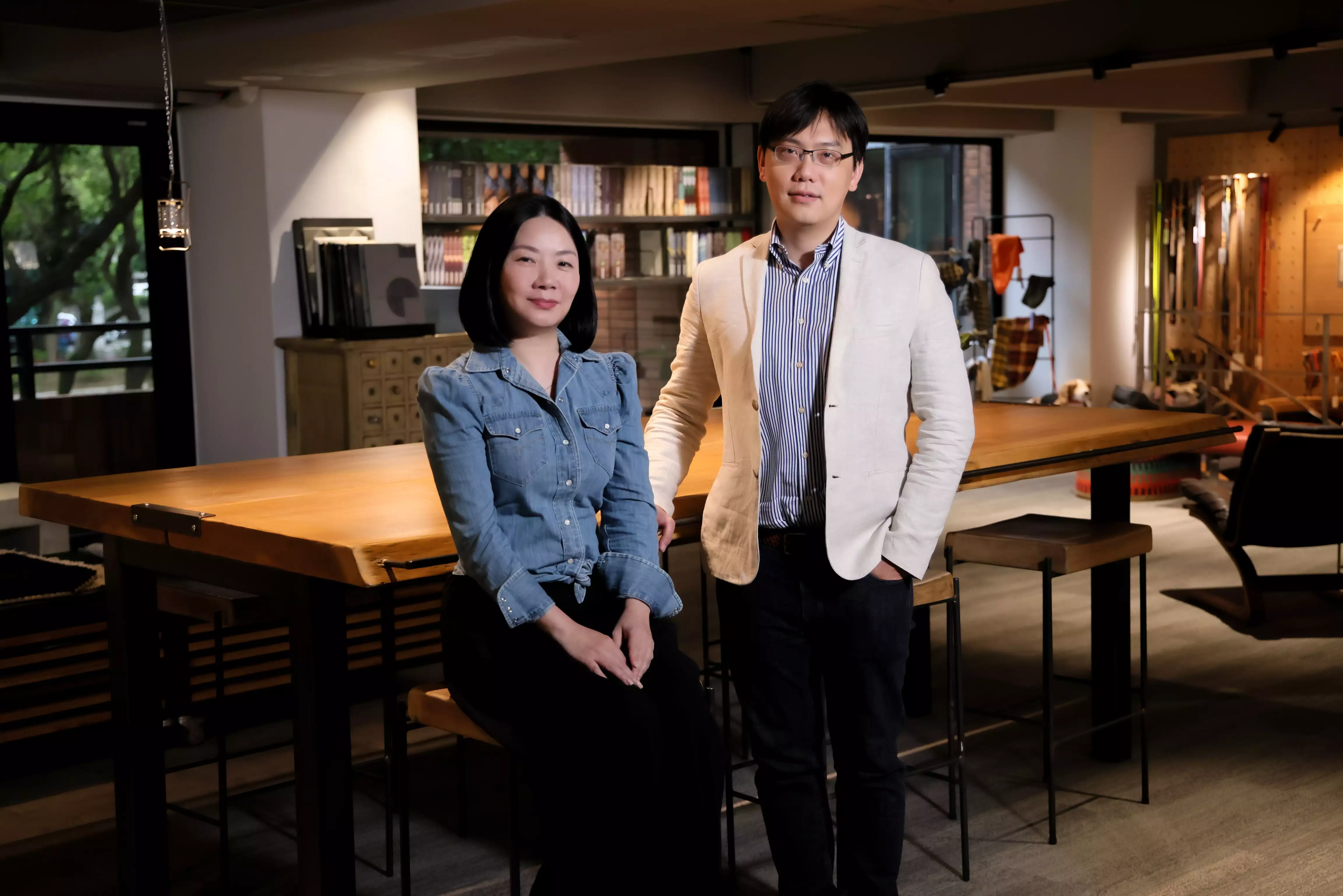
Explaining why Andeli chose SolidPro Technology as its implementation partner, General Manager Wang Jing-Yi shared that the key factor was service quality. “SolidPro’s follow-up after meetings was exceptionally thorough. Every issue was tracked and improved before the next meeting, which helped build trust early in the project,” she said. In her view, when investing a significant amount in a system implementation, the reliability of the partner is far more important than brand recognition.
Xu Zhi-Xiang, Senior Manager at SolidPro Technology, further explained that the implementation process can be divided into three key phases. The first is early-stage communication and requirement clarification, to define the scope of system replacement and core functionalities. The second is the normalization of master data—restructuring item codes to ensure uniqueness and incorporating critical information such as suppliers and material characteristics, enabling more effective management and reporting in the future. The third phase involves establishing standardized operational rules, such as setting different approval levels based on transaction amounts and integrating shipping labels with logistics providers.
It is also worth noting that Andeli adopted a distinctive internal preparation strategy. One year prior to the official implementation of SAP Business One, the company formed a cross-department seed team to rehearse system-based workflows. “We started with paper-based simulations to help everyone get used to approval and sign-off processes,” Wang Jing-Yi shared. This “sandbox exercise” allowed the company to clearly map out its needs and communicate more precisely with consultants, ultimately completing the implementation in less than five months.
Management Benefits Brought by System Integration
The benefits of implementing SAP Business One quickly became evident in Andeli’s day-to-day operations.
First, the company was finally able to move beyond the long-standing challenge of operating two disconnected systems. By integrating inventory, sales, and financial management into a single platform, inventory accuracy improved dramatically—from a previously chaotic state to over 95%. Sales reports that once took two days to complete can now be generated on the same day.
Cost control has also been significantly enhanced. In the past, gross margins for each order had to be calculated manually, and managers often needed to reconfirm procurement costs during approval. Today, complete cost information is built directly into the system, allowing managers to instantly view profitability when reviewing orders and to set control rules that prevent approval if margins fall below predefined thresholds.
Standardized, system-driven processes have also brought a qualitative shift in internal collaboration. Beyond greater transparency and smoother cross-department coordination, teams are now able to make decisions and communicate based on data. This provides a stronger foundation for performance management and goal setting. At the same time, standardized workflows enable new employees to get up to speed more quickly, reducing reliance on informal knowledge transfer from senior staff.
A Brand Vision of Continuous Evolution
For General Manager Wang Jing-Yi, this successful digital transformation represents more than a technical upgrade—it reflects Andeli’s deeper corporate culture. “For over thirty years of representing international brands, we have always been learning new things. If the goal is to make the organization better, there is no reason not to learn a new system,” she shared.
Looking ahead, Andeli is focusing on three core pillars—sustainability, functionality, and design—as it plans to develop its own branded product lines and even expand into the pet market. By transitioning from manual operations to a data-driven approach, Andeli has not only resolved its system integration challenges, but also established a digital foundation that continues to evolve. This solid base will support a more stable and confident path toward future brand diversification.
.img
.img